Many companies still find AI tools through web searches, referrals and inbound sales pitches. That approach is slow, and it often leads to pilots that never reach production. Gartner predicted that at least 30% of generative AI projects would be abandoned after proof of concept by the end of 2025, citing poor data quality, inadequate risk controls, escalating costs or unclear business value. A structured discovery process cannot fix all of those, but it can screen out poorly matched vendors before your team spends weeks on demos. That is the job an AI/ML marketplace is meant to do.
What an AI/ML marketplace is, and what it isn’t
An AI/ML marketplace is a catalog of AI tools and development providers that you can filter by use case, industry, integration and deployment model, so you can move from “we need something for X” to a short list of comparable options. It is different from:
- Freelancer platforms, where you hire individuals rather than compare products or firms.
- General software review sites, which cover every software category and treat AI as one tag among many.
- Paid listing boards, where vendors buy their position.
The useful features are checked vendor details, pricing information, integration tags, industry filters, reviews from real users and side-by-side comparison.
The business case for using a marketplace
The argument is not about discounts. It rests on three things: a faster route to a credible shortlist, lower procurement risk, and keeping your options open before you commit to one vendor.
Returns from AI are still uneven. In McKinsey’s 2026 State of AI survey, 37% of respondents attributed at least some EBIT impact to AI, roughly unchanged from the year before. The most expensive failure in AI procurement is signing with a vendor that cannot do what its website claims. A marketplace that shows compliance posture, integration documentation and genuine user reviews helps you rule those vendors out early, before security review or a failed pilot does it for you.
How to tell a trusted marketplace from a paid directory
Editorial verification
Check whether the platform confirms core capabilities, deployment options and security posture, or simply publishes whatever copy a vendor submits. A logo and a tagline are not a verified listing.
Transparency and freshness
Vendor profiles should show pricing signals, supported integrations and typical deployment effort. Genuine reviews mention friction and edge cases; curated testimonials read like press releases. Look at when listings were last updated, since AI products change pricing and features often.
Separation of editorial and paid placement
If the top-ranked vendors are consistently the ones paying the most, you are looking at advertising. In the US, the FTC’s Endorsement Guides say material connections between reviewers and the businesses they review must be disclosed, and a 2024 FTC rule bans fake reviews, undisclosed insider reviews and company-controlled review sites presented as independent. A trustworthy marketplace labels sponsored placements and explains how rankings are determined.
Where AI tool discovery is heading
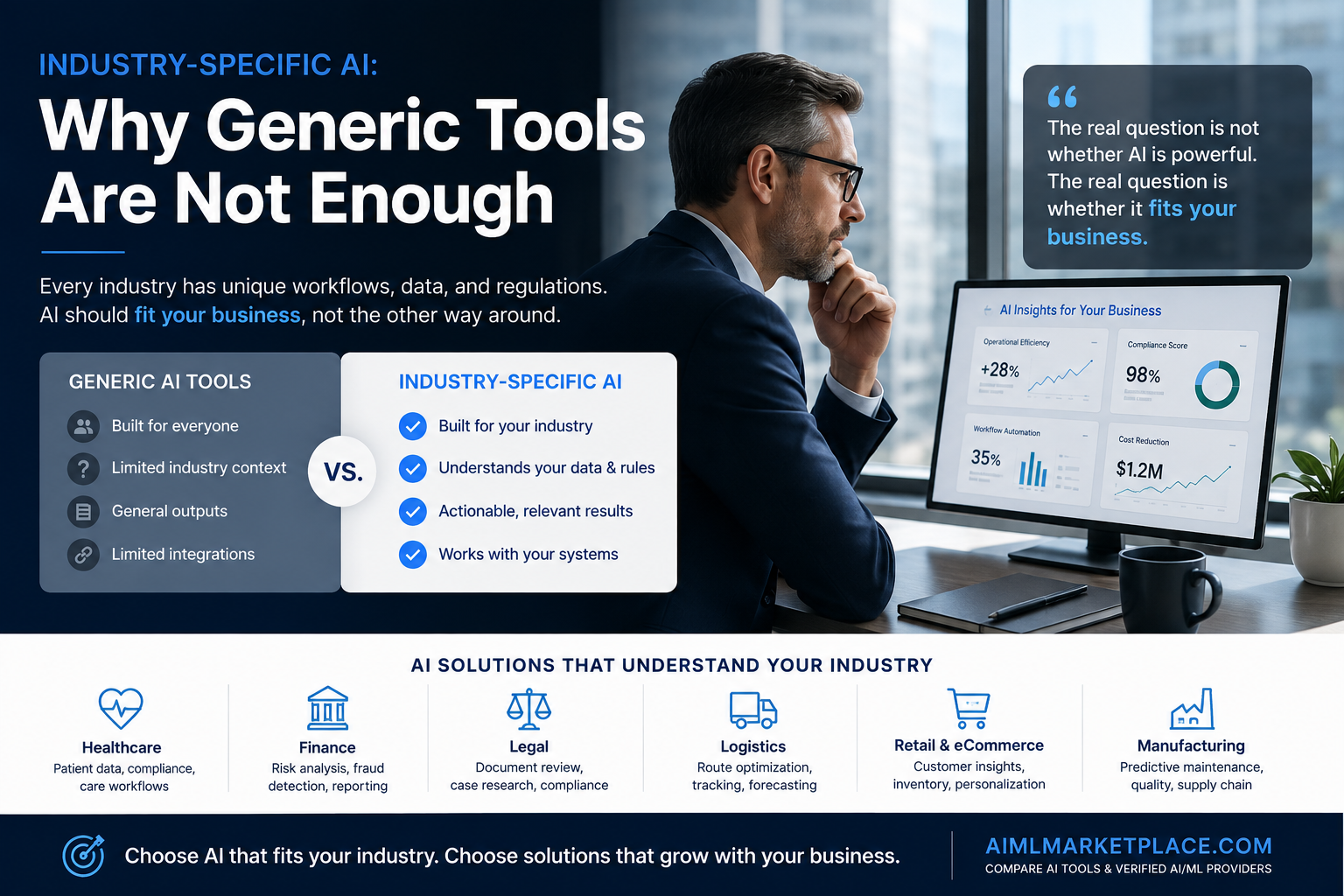
More vertical tools. Gartner predicts that by 2027, more than 50% of the generative AI models enterprises use will be specific to an industry or business function, up from about 1% in 2023. Buyers need directories that filter by industry, not just by broad category.
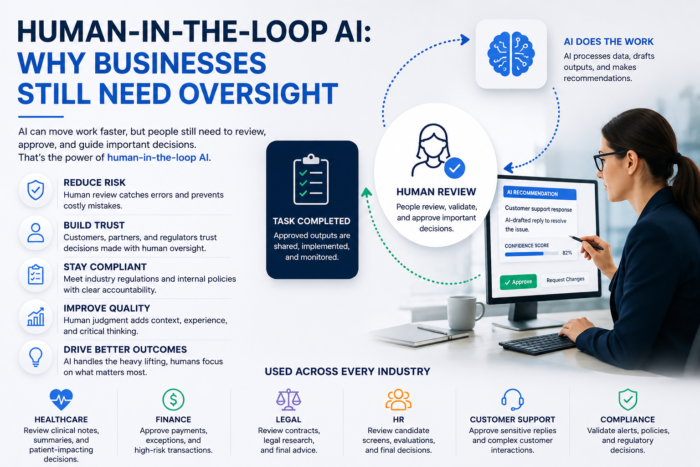
Agents need different evaluation criteria. Feature lists and pricing tiers do not show how an autonomous agent behaves in your environment. Ask about reasoning quality, tool-use accuracy, failure modes, logging and human override.
Compliance becomes a first-class filter. The EU AI Act already applies to prohibited practices and general-purpose AI models, and after the 2026 AI Omnibus amendments high-risk system rules apply from 2 December 2027. The voluntary NIST AI Risk Management Framework, organized around the functions Govern, Map, Measure and Manage, is a practical reference when you ask vendors how they manage AI risk.
AI/ML marketplace evaluation checklist
Run any marketplace through these questions before relying on it for a significant purchase:
- Are vendor claims independently checked, or self-reported?
- Can I filter by use case, industry and required integrations?
- Are reviews from verified buyers, and are incentivized reviews disclosed?
- Is pricing information shown, or hidden behind “request a demo”?
- Does the platform explain how rankings are determined and label paid placements?
- Are listings updated often enough to reflect current products?
- Does it show compliance posture (SOC 2, HIPAA, GDPR, EU AI Act)?
- Can I compare three to five vendors side by side?
- Are industry-specific tools and agents categorized properly?
- Is human help available for shortlisting?
If several answers are “no”, treat the platform as a starting list rather than a basis for a purchase decision.
Next step
The teams that buy AI well define the use case first, shortlist quickly and test before they commit. To start, browse AI tools or AI/ML providers, or book a discovery call and bring your use case, integration requirements and timeline.
Written by: AIML Marketplace Team